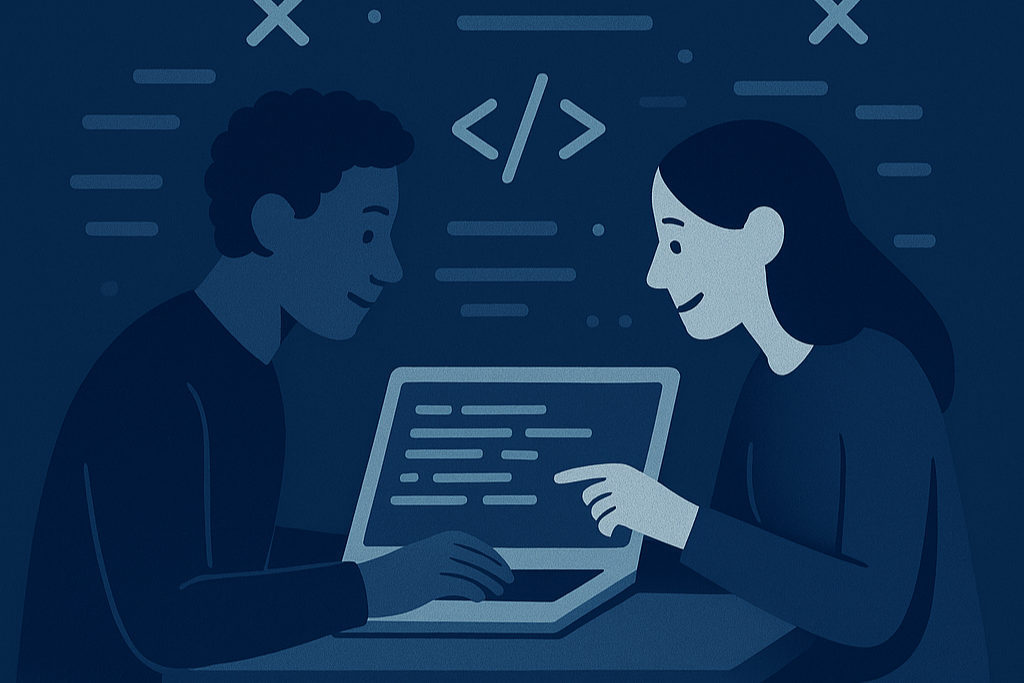
Digital literacy is a broad term that refers to an individual’s skills and dispositions to navigate our digital world using reading, writing, technical skills, and critical thinking. It involves using technology—such as smartphones, PCs, and other digital tools—to find, evaluate, and communicate information effectively. Some may refer to digital literacy as a set of skills, while others may look at it as a social practice. Because this is not a static concept, the definition and needs will constantly change.
Digital Tool Kit
The Digital Toolkit is an ever-evolving resource that describes most of the educational technologies and courseware that might be used by Penn State instructors and students. The information helps you think about the pedagogical purposes of the tools and how you might put them into practice in your courses.
Digital Literacy for College Instructors
Teaching Tools and Practices
Instructors often gain digital literacy through training on specific teaching tools. This includes best practices for collaboration software (e.g., Zoom, Microsoft Teams) and effective use of hardware and courseware during instruction.
Empowering Teaching
Digital literacy enables instructors to create more-advanced and -interactive learning experiences using digital tools and allows them to engage more with their students and learn and use new technologies.
Empowering Students
After college, students are expected to know how to use digital tools and be digitally fluent. Instructors are the bridge between school and life.
Resources for Digital Literacy
Here are some valuable resources for both students and instructors:
- Microsoft Digital Literacy: Offers free courses to improve digital skills, including navigating the internet, working with computers, and collaborating online.
- Common Sense Education: Provides digital citizenship curriculum design and resources
- GCFLearnFree: Offers self-paced digital literacy tutorials
- Khan Academy: Provides distance learning and self-study resources
- OER Commons: A public digital library with open educational resources for educators
- Digital Literacy: What Is Digital Literacy for Higher Ed Faculty?
Digital Literacy Learning Outcomes
Some general learning outcomes for science courses include the following:
- Information Literacy
- Locate, evaluate, and use scientific information from diverse sources. Critically assess research articles, databases, and online resources.
- Data Literacy
- Devise methods for data collection, analysis, and interpretation. Create and interpret graphs, charts, and visual representations.
- Digital Communication
- Effectively communicate scientific concepts using digital media (e.g., presentations, blogs, videos). Collaborate online with peers and experts.
- Ethical Use of Technology
- Demonstrate responsible use of scientific software, databases, and online tools. Appraise ethical considerations related to data privacy and intellectual property.
Digital Literacy for College Students
Thinking of ways that you may help students improve their digital literacy skills? Consider some of the following activities:
- Online Research: Help students learn how to search effectively and identify reliable sources.
- Use of Digital Tools: Provide intentional opportunities for students to become familiar with relevant software, web browsers, and collaboration tools.
- Media Literacy: Ask students to judge credibility and assess the quality of digital content.
- Awareness of Algorithms: Help students identify methods for critically assessing information and recognizing biases.